
A 50p coins value list is a structured source of price information, the list showing estimated market values for different coins, values being based on specific measurable factors, these factors including production numbers, coin condition, design type, year of issue, errors, and current demand, all data being used to compare coins and understand price differences.
Value lists usually presenting coin names, years, mintages, and price ranges, prices not being fixed amounts, ranges reflecting changes in the market, higher prices often appearing for coins with limited supply and strong demand, and lower prices appearing for common coins produced in large numbers.
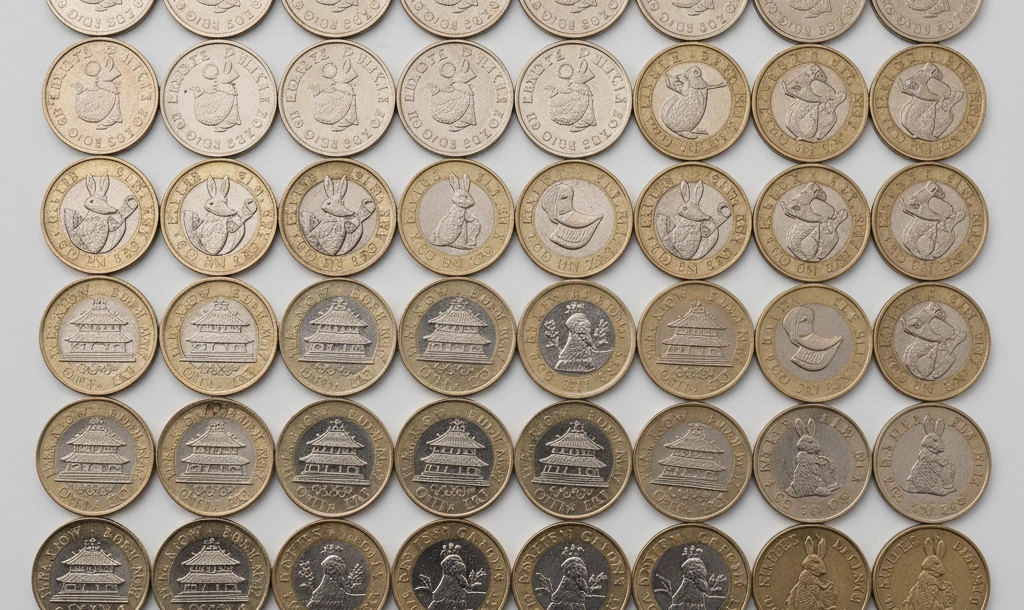
Most 50p coin value lists following a similar structure, coins being grouped by series or theme, information being placed in rows and columns, allowing quick comparison between coins.
A typical value list includes:
Coin name or description
Year of issue
Estimated mintage
Average market value
Coin Name | Year | Estimated Mintage | Typical Value |
Kew Gardens | 2009 | 210,000 | £150–£300 |
Olympic Aquatics | 2011 | 600,000 | £20–£50 |
Britannia | 2015 | 2,800,000 | £2–£5 |
Mintage refers to the number of coins produced for circulation, lower numbers meaning fewer coins available, scarcity increasing value, value lists often sorting coins by mintage, lowest figures usually linking to higher prices.
Coins with mintages under one million often appearing higher on value lists, coins with mintages over ten million usually having low prices, large supply reducing competition between buyers.
Important points related to mintage include:
Lower mintage increasing rarity
Higher mintage reducing scarcity
Circulation numbers differing from production numbers
Some coins being produced in small numbers but rarely entering circulation, such coins staying in private storage, effective supply being even lower, and value lists reflecting this situation by showing higher prices.
Conditions strongly affecting price, value lists inside the coin identifier app often assume a standard condition, usually uncirculated or very fine, worn coins selling for less, damaged coins having much lower value.
Condition terms commonly used include:
Uncirculated
Extremely fine
Very fine
Fine
A value list not always showing prices for every grade, the listed value often representing a high-quality example, users needing to adjust expectations when their coin shows wear.
Coins being graded by professionals receiving more accurate pricing, graded coins matching value list estimates more closely, ungraded coins having wider price variation.
Design type influencing demand, coins belonging to popular series often showing higher prices, series including Olympic Games, Beatrix Potter, and special anniversary issues.
Design-related factors include:
Limited series size
Popular public themes
Unique or unusual designs
Coins with one design in a large series sometimes being more valuable than others, design popularity affecting demand, value lists reflecting this by showing different prices within the same series.
For example, Olympic 50p coins showing large price differences, some sports designs being common, others being scarce, lists separating them clearly to avoid confusion.
Error coins appear separately in some value lists, errors being production mistakes, mistakes including incorrect dates, missing details, or design changes.
Common errors affecting value include:
Incorrect inscriptions
Missing edge lettering
Wrong metal composition
Error values often being estimates, limited sales data existing, prices changing quickly, lists warning users about price instability.
Not all value lists include error coins, specialist lists focusing on errors providing more detailed pricing, general lists often excluding them because of complexity.
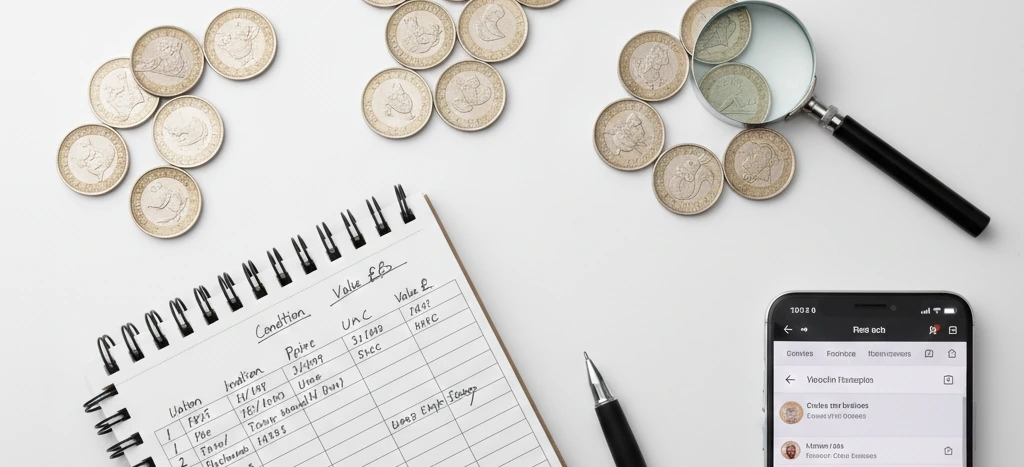
Market demand is affecting prices strongly, value lists being updated regularly, older lists are becoming outdated, and prices rising or falling based on buyer interest.
Demand influenced by:
Media coverage
Online auction trends
Collector rankings
A coin increasing in popularity often moves up the list, price ranges expanding upward, reduced interest causing price drops, and lists reflecting recent sales data.
Value lists are usually based on average completed sales, asking prices not being used, and actual transactions provide more reliable data.
The source of a value list affects accuracy, with lists being published by different organizations, some lists using professional sales data, others using public online listings.
Common sources include:
Coin catalogues
Auction websites
Collector guides
Professional catalogues update less often but provide stable estimates, online lists change frequently, showing current market movement.
Users comparing multiple lists gaining better understanding, single lists sometimes showing limited perspective, and price differences between lists being normal.
Some 50p coins are being made for circulation, others being produced only for collectors, non-circulation coins often having higher original prices, resale value not always increasing.
Value lists usually mark non-circulation coins clearly, such coins including proof versions and special finishes, prices reflecting collector demand rather than rarity alone.
Circulation coins with low mintage often more valuable than non-circulation coins, value lists showing this difference clearly.
Value lists inside the coin value checker app showing price ranges instead of exact numbers, ranges reflecting condition differences and market variation, lower end applying to average condition, higher end applying to excellent condition.
Misreading ranges leading to incorrect expectations, users needing to compare coin condition carefully, and price being realistic only when the condition matches the listed example.